
A Once-in-a-Century Event: The Longest Solar Eclipse in 100 Years
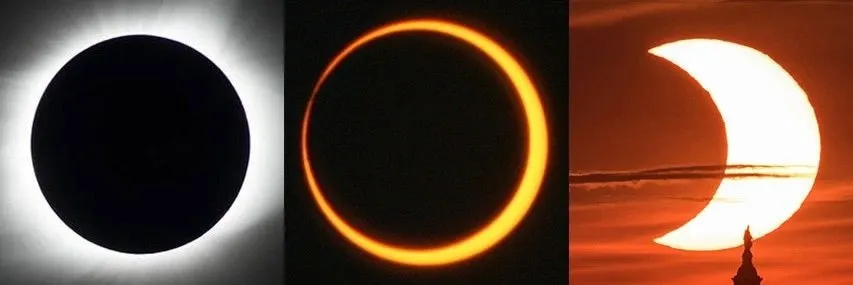
Get ready for a sky-show unlike any other — on 2 August 2027, the world will witness a spectacular total solar eclipse, set to be the longest visible from land in over a hundred years. The “totality” phase — when the Moon fully covers the Sun — will stretch to a remarkable 6 minutes and 23 seconds.
This eclipse will begin over the Atlantic and sweep across a path that touches southern Spain, North Africa, and the Middle East, passing through countries such as Morocco, Algeria, Tunisia, Libya, Egypt, Saudi Arabia, Yemen, and Somalia. The maximum duration — the “peak darkness” moment — is predicted to occur over Egypt, notably near iconic ancient-temple regions like Luxor and Aswan.
🌘 Why This Eclipse Will Be Unusually Long
Not all solar eclipses are equal. The length of totality — the time during which the Sun is fully blocked — can range from just a few seconds to as much as around 7.5 minutes.
Several cosmic factors align to make the 2027 eclipse special:
-
At that moment, the Moon will be relatively close to Earth, making it appear larger in the sky.
-
Simultaneously, the Earth will be relatively farther from the Sun, making the Sun appear slightly smaller.
That “just-right” alignment means the Moon can block the Sun for far longer than typical eclipses. The result: over six minutes of total darkness during daytime — a rare and breathtaking cosmic alignment.
🌍 Where (and Who) Will See It — and Who Will Miss Out
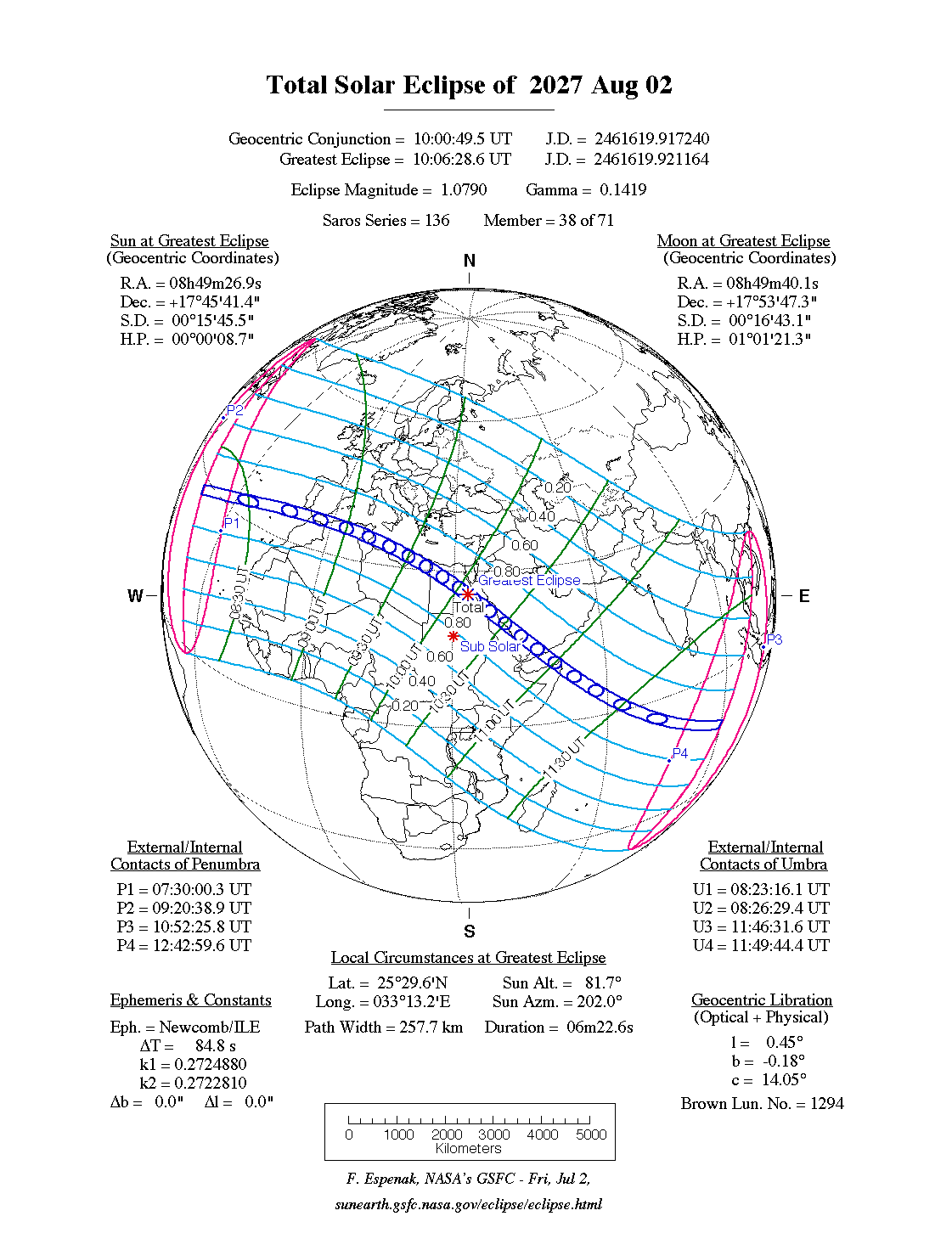
The “path of totality,” where the full eclipse will be visible, is narrow compared to Earth’s size — only those along that line will experience complete darkness.
-
Visible regions: Southern Europe (southern Spain), large parts of North Africa (Morocco, Algeria, Tunisia, Libya, Egypt), and parts of the Middle East (Saudi Arabia, Yemen, some East-African coast near Somalia).
-
Peak visibility: Near Luxor and Aswan in Egypt — expect the eclipse to reach its maximum duration there.
-
Where it won’t be visible: Many parts of the world — including large swathes of Asia (such as India) — will not see the full eclipse. People far from the path might still observe a partial eclipse (the Moon covering part of the Sun), but nowhere near the full totality.
So unfortunately, if you’re not located along the 2027 path, you’ll likely have to travel to experience the full spectacle.
✨ Why It Matters — What to Expect & Why People Are Excited
-
A total solar eclipse is always a rare and magical moment — the sky darkens midday, stars and planets may become briefly visible, and daylight can turn into an eerie twilight.
-
Because the 2027 eclipse will last longer than almost any eclipse this century, it gives astronomers and skywatchers more time to observe solar phenomena — like the Sun’s corona — and to soak in a dramatic cosmic alignment.
-
For many, it’s a chance to witness first-hand one of nature’s grandest shows — a shared, awe-inspiring event that reflects our place in the vastness of space.
📅 What You Should Do (if You Plan to Watch)
-
Mark the date: 2 August 2027.
-
Check if you’re within the path of totality — if not, consider making travel plans (the eclipse crosses countries across Europe, North Africa, and the Middle East).
-
Use proper eye protection — never look directly at the Sun without certified solar-eclipse glasses or safe viewing equipment. Looking directly can seriously damage your eyes.
-
Plan to arrive early: Crowds are likely, weather conditions matter, and skies should be clear for best viewing.
🌟 A Cosmic Reminder of Our Place in the Universe
The upcoming 2027 eclipse is more than just a rare astronomical event — it’s a powerful reminder of how precise and delicate cosmic events can be. For a few magical minutes, you’ll see day turn to night, the Sun vanish, and the Moon’s shadow sweep across continents.
Even if you can’t witness it firsthand, the idea that such events happen, that we can predict and observe them, that we share a sky with millions of other onlookers across the world, can stir a deep sense of wonder.