



“Global Futures: How Tech Is Shaping Education Worldwide”


Education systems are changing significantly all across the world. How, where, and what we learn are being impacted by digital tools, networking, artificial intelligence, immersive technology, and new pedagogies. Greater access, more individualized instruction, and innovative teaching methods are just a few of the many positive aspects of these advances, but there are also significant hazards and disparities.
Global Trends & Innovations
1. The EdTech Market’s Quick Growth
- The EdTech market is huge and growing quickly worldwide. According to one prediction, it will be at USD 194 billion in 2024, increase in 2025, and surpass USD 1,000 billion by 2033.
- Major motivators: Growing use of cloud-based technologies, mobile learning, AI-powered systems, and e-learning platforms.
2. The Emergence of AI and Generative Technologies
- Artificial intelligence is becoming more and more prevalent, not only as a supplement but also in evaluations, adaptive learning (which adapts to student level and pace), content production, and instructor assistance.
- Experiments with generative AI tools for lesson planning, tests, personalized graphics, and other course materials are still being conducted worldwide.
3. Immersion Learning:
- AR, VR, and Simulations o Particularly in scientific, technical, medical, or vocational education, AR, VR, and simulations are being used to make learning more interactive and experience.
4. Cloud-based and mobile-first learning
- More students are depending on mobile devices as internet availability and smartphone penetration rise, particularly in Asia, Africa, and Latin America. Platforms for education are being optimized appropriately.
Platforms can scale, share resources globally, and more effectively manage content distribution and management thanks to cloud computing.
5. Skills-focused training, lifelong learning, and microcredentials
- Flexible, modular credentials—short courses, certificates—are highly sought after globally, particularly in a labor market that demands reskilling and upskilling.
- The use of digital tools in vocational and technical education is growing, particularly through MOOCs, online platforms, and mixed models.
6. Models of Hybrid and Blended Learning
- Worldwide, combining online and in-person training is becoming more common. Although this change was sped up by the epidemic, many systems are continuing to use and improve hybrid models.
7. Personalization & Data Analytics
- These days, a lot of platforms monitor student performance, employ predictive analytics to spot gaps, suggest fixes, and customize learning pathways. This aids in tracking and enhancing learning results.
8. Credentialing and Emerging Technologies
- Blockchain is being investigated by several institutions for digital credentialing, badges, and secure credential verification.
In certain locations, wearables, the Internet of Things (IoT), and other sensor-based technologies are being tested for interactive, hands-on learning.
Major Challenges & Risks
While progress is strong, there are serious challenges globally:
- Digital Divide and Infrastructure Gaps
- Many learners still lack reliable electricity, internet connectivity, or appropriate devices. This is especially acute in rural areas or low‑income countries.
- Connectivity quality (bandwidth, latency) matters: to stream videos, use AR/VR, or even interactive web apps, good internet is necessary. Where that is lacking, many EdTech solutions underperform or can’t be used.
- Language, Cultural & Content Localization
- A global solution must adapt to many languages, educational norms, cultural expectations. Content created in one country may not translate well to another without adjustments.
- Teacher Training, Digital Literacy & Support
- Teachers need not just tools, but support in using them effectively: pedagogy redesign, assessment redesign, integrating tech, troubleshooting. In many places, this is underprovided.
- Also, trust and confidence among teachers in using new technologies (especially AI) is a factor.
- Cost, Funding, and Sustainability Issues
- Devices, maintenance, licensing, infrastructure upgrades, support, etc., all cost money. Many countries or institutions get burst funding (e.g. during emergencies) but struggle to sustain over time.
- Also, many EdTech startups have trouble scaling globally because of regulatory, localization, and market differences.
- Privacy, Ethics & Governance
- With more student data being collected (performance, behavior, etc.), issues of privacy, consent, security are more important than ever.
- AI poses additional risks (bias, fairness, transparency). The governance frameworks in many countries are behind where technology has reached.
- Measuring Outcome & Quality
- It’s not enough to deploy technology — we need evidence of what improves learning outcomes, engagement, and equity. Some tech focuses more on access or novelty, less on efficacy.
- Different contexts (urban vs rural, one country vs another) yield different outcomes; what works in one place may not in another without adaptation.
- Regulatory / Policy Challenges & Local Constraints
- Regulations around data, education standards, curriculum approvals, and accreditation differ widely across countries. Navigating them can be complex.
- Also, local constraints: power supply, language diversity, cultural expectations, and teacher norms.
Opportunities & What Needs Emphasis
To harness EdTech’s potential globally, here are areas of focus:
- Equitable Access / Infrastructure Investment
- Governments, NGOs, and the private sector are investing in connectivity, electricity, and low‑cost devices.
- Solutions like offline digital learning, low‑bandwidth tools, solar-powered labs, etc., are available where full internet is still unreliable.
- Localization & Multilingual Content
- Creating education content in local languages, adapting to local curricula and cultural context.
- Involving local educators in content design helps ensure relevance and effectiveness.
- Teacher Capacity Building & Pedagogical Innovation
- Training teachers not just on tools but helping them rethink what teaching and learning can be with tech.
- Encourage peer‑learning and sharing of best practices across countries.
- Responsible Use of AI & Ethics Frameworks
- Transparent AI systems, clear guidelines on privacy, fairness, and avoiding bias.
- Developing policies and regulations ahead of the curve.
- Monitoring, Evaluation & Research
- Collect data to measure learning gains, equity outcomes, and engagement. Use that to refine tools and strategies.
- Cross‑national studies to see what works in different settings.
- Sustainable Funding Models
- Moving from pilot or grant‑funded projects to scalable, self‑sustaining models.
- Public‑private partnerships, open educational resources (OER), and low‑cost or subsidy models.
- Leveraging Emerging Technologies Wisely
- Use AR/VR, IoT, immersive tools, etc., where it makes real pedagogical sense (e.g., medicine, science labs, technical training).
- Avoid using fancy tech just for the sake of novelty; focus on learning goals.
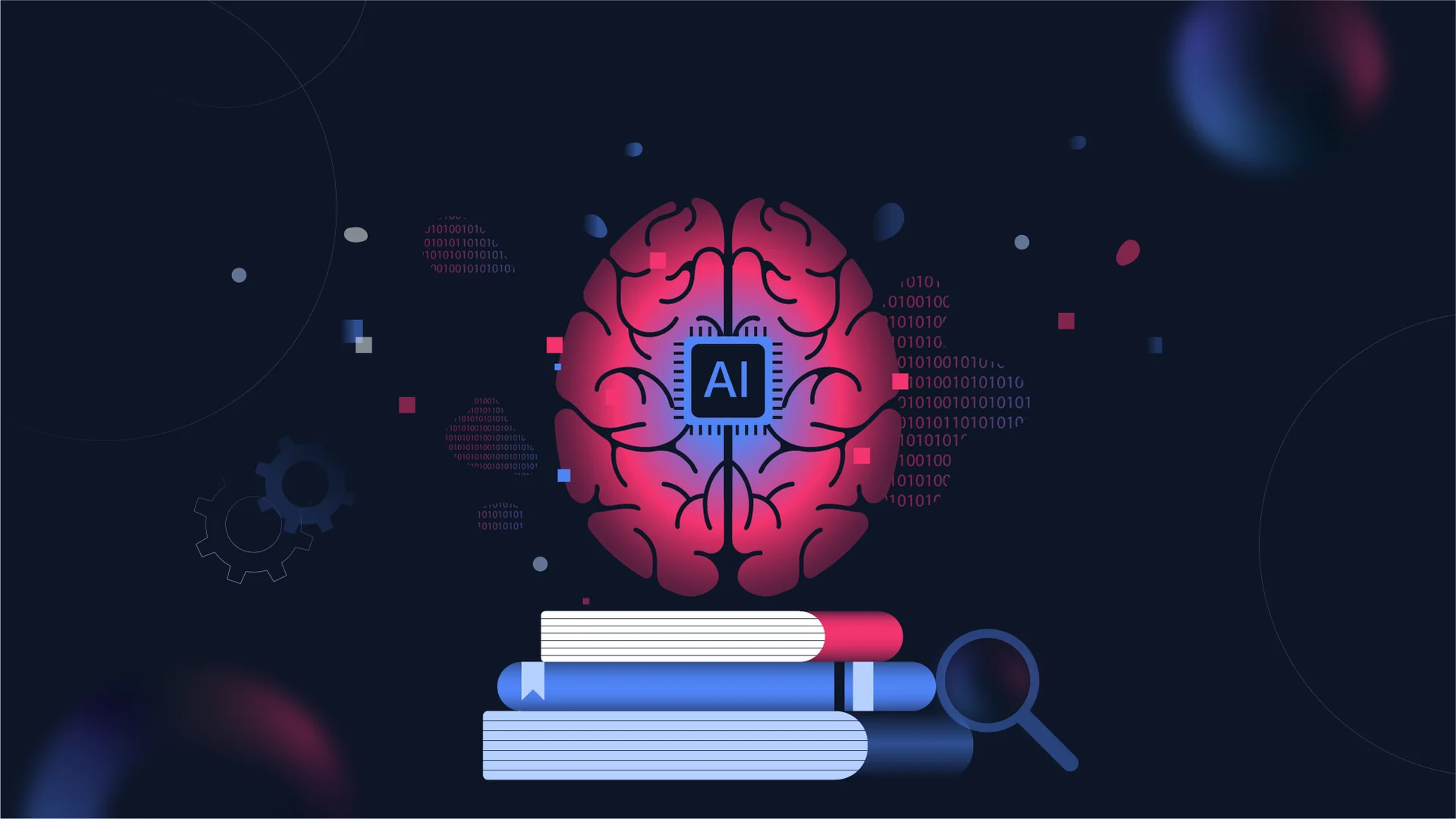

Looking Ahead: Future Scenarios
- Education 5.0: Some scholars talk about “Education 5.0” as a new paradigm — post‐pandemic, learner‑centric, highly flexible, tech‑enabled, ethical, inclusive.
- AI Companions & Tutors: As AI models improve, we might see more personalized tutors or learning companions that adapt in real time to student behavior.
- Global Credentialing & Recognition: Systems like blockchain‑based credential verification might make certifications more portable globally.
- Resilience & Hybrid Systems: Systems will be built to handle disruptions (pandemics, disasters, climate events). Hybrid or blended learning, remote capabilities will be part of the standard provision.
- Focus on Soft Skills & Global Citizenship: As automation increases, skills like creativity, adaptability, communication, and ethics will gain even more importance. Technology can help in simulations, global collaboration projects, etc.
Conclusion
Globally, EdTech is reshaping education: vastly increasing reach, enabling personalization, and introducing new pedagogies. But its success depends heavily on closing gaps — in infrastructure, in teacher support, in effective policy and ethics, and in ensuring what’s delivered truly improves outcomes, not just access.