
2 New Airlines Approved: Al Hind & FlyExpress to Boost Indian Aviation
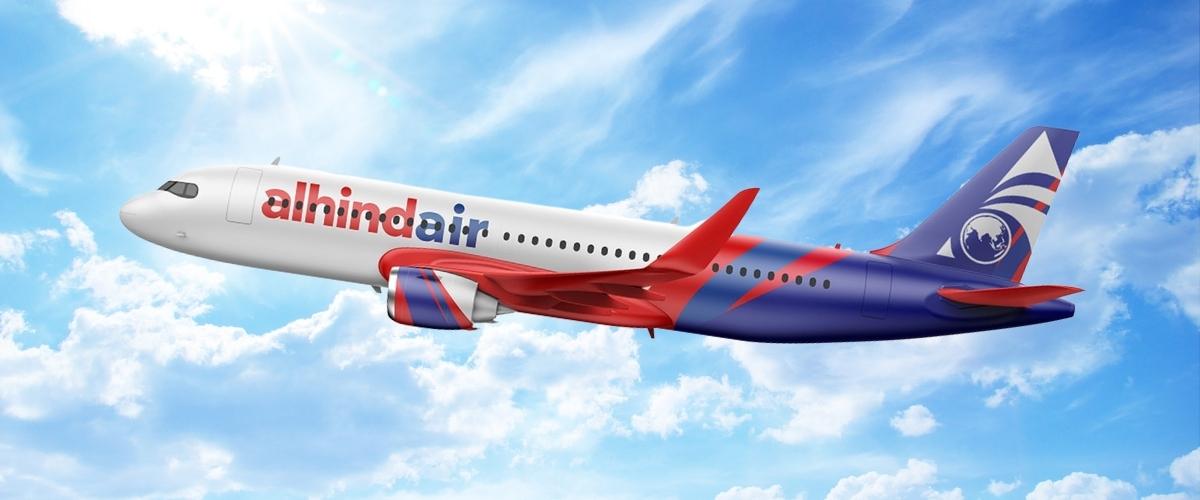
In a major boost to competition in the aviation sector, the Centre has approved two new airlines — Al Hind and FlyExpress — a move aimed at breaking India’s long-standing aviation “duopoly.” The decision is expected to increase competition, enhance connectivity, and provide more options for air travelers nationwide.
Centre Approves Two New Airlines
India’s aviation market has long been dominated by a small number of major carriers, often described as a duopoly due to their significant control over market share. The approval of Al Hind Airlines and FlyExpress marks a significant policy shift focused on encouraging new entrants and strengthening market competition.
According to industry observers, this development could reshape domestic air travel by adding capacity and reducing dependence on a few dominant players.
How Al Hind and FlyExpress Will Impact Indian Aviation
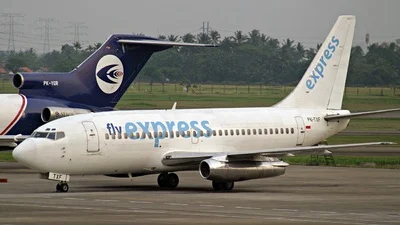
The entry of new airlines is expected to bring several benefits to passengers and the broader economy:
-
Increased competition on key domestic routes
-
Potential reduction in airfares
-
Better flight frequency and connectivity
-
Expansion of services to underserved and regional airports
Al Hind is expected to focus on regional connectivity and short-haul routes, supporting the government’s vision of inclusive air travel. FlyExpress, meanwhile, is likely to operate as a low-cost carrier, catering to price-sensitive travelers and high-demand routes.
Breaking the Aviation Duopoly
The term “aviation duopoly” has often been used to describe India’s airline market, where limited competition has led to fare volatility and capacity constraints. By clearing new operators, the Centre aims to create a more balanced aviation ecosystem that encourages innovation, efficiency, and customer-centric services.
Experts believe that increased competition could also push existing airlines to improve service quality and operational efficiency.
Challenges for New Airlines
While the approval is a positive step, Al Hind and FlyExpress will face several challenges, including:
-
High fuel and operational costs
-
Intense competition from established airlines
-
Infrastructure limitations at busy airports
-
The need for sustainable financial planning
Success will depend on strategic route planning, cost control, and strong execution.
What This Means for Passengers
For travelers, the entry of Al Hind and FlyExpress could mean more affordable tickets, better connectivity, and increased choice, especially on domestic and regional routes. As demand for air travel in India continues to rise, additional airlines could help ease pressure on the system.
Conclusion
The Centre’s approval of Al Hind and FlyExpress is a landmark move aimed at breaking India’s aviation duopoly and promoting healthy competition. If these new airlines execute their plans effectively, they could play a crucial role in transforming India’s fast-growing aviation market and delivering long-term benefits to passengers.